
Keep Your Distance From Utah’s Newborn Deer And Elk
As hikers, campers and outdoor enthusiasts head into Utah’s mountains and forests this summer, state wildlife officials are reminding the public that seeing a seemingly abandoned deer fawn or elk calf is usually a normal part of nature — and that human interference can do far more harm than good.
The Utah Division of Wildlife Resources is urging residents and visitors to avoid touching, feeding or attempting to rescue young wildlife they may encounter during late May and June, when deer fawns and elk calves are commonly born across the state.
Being Left Alone Is The Best Protection
“Newborn fawns are actually frequently alone and isolated during their first weeks of life — and that’s on purpose,” Utah Division of Wildlife Resources Big Game Coordinator Mike Wardle said in a press release. “The mother knows that leaving the fawn alone is the best way to protect it from predators.”
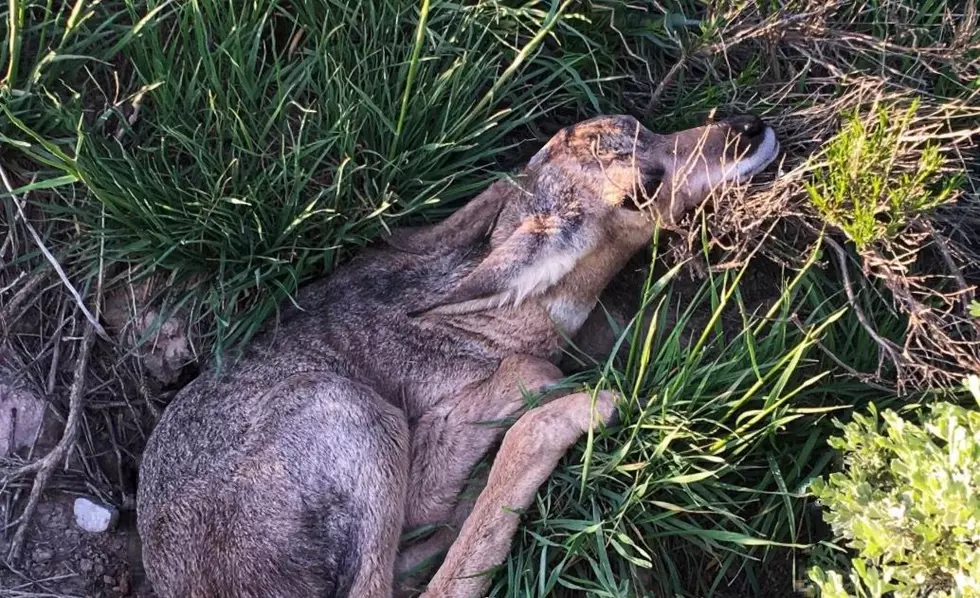
Wildlife biologists explain that newborn big game animals generally fall into two categories: followers and hiders. Animals such as bison calves and bighorn sheep lambs quickly begin following their mothers shortly after birth. Mule deer fawns and elk calves, however, survive by remaining hidden and motionless for much of the day during the first few weeks of life.
A doe deer typically leaves her fawn concealed in vegetation while she spends time feeding and resting elsewhere. She periodically returns to nurse and care for the animal before moving away again to avoid drawing predators to the hiding spot.
Read More: Beware! The Cougars Are Out (And Not The Ones From Provo!)
The strategy is remarkably effective. Fawns are born with light brown coats covered in white spots that help camouflage them in grass, brush and forest undergrowth. They also produce very little scent, making them difficult for predators to detect.

Wildlife officials stress that people who encounter a fawn or calf should keep their distance, observe quietly and, if desired, take photographs from afar. Approaching the animal can cause it to flee, using up valuable energy needed for survival. Touching the animal may also leave behind human scent that could attract predators.
The DWR also warns against attempting to remove young wildlife from the wild. Conservation officers occasionally respond to situations where well-meaning individuals take baby deer or elk home to care for them, often with tragic results for the animal. In Utah, keeping wildlife in captivity is illegal and can result in a class A misdemeanor.
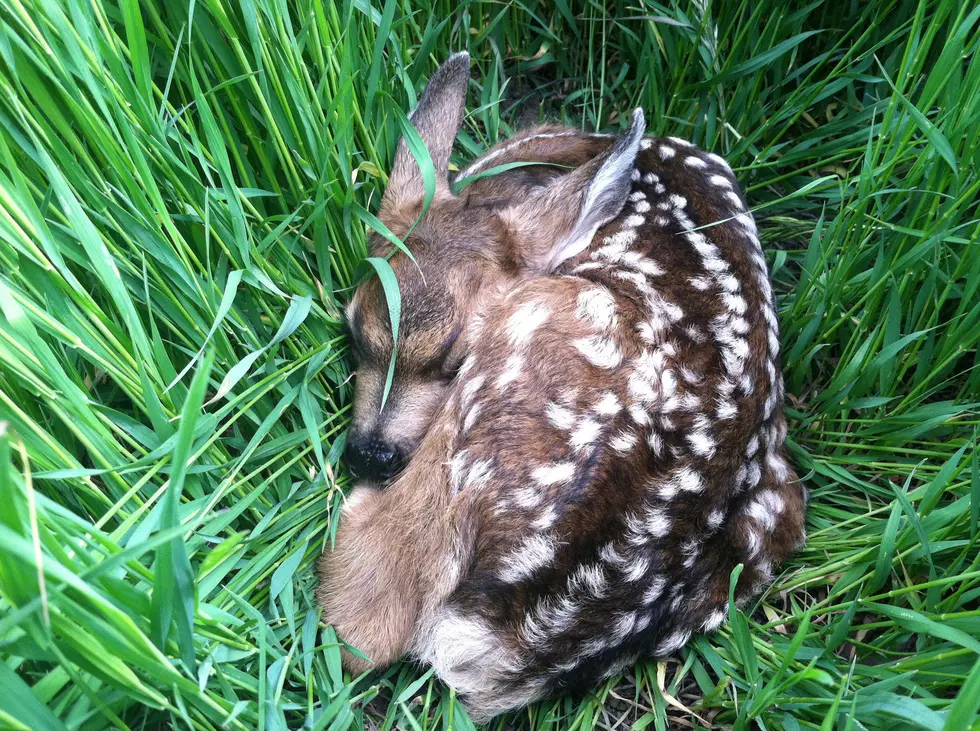
“Keeping your distance and not touching wildlife are essential to keeping young animals alive,” Wardle said. “Attempting to take matters into your own hands and trying to ‘help’ wildlife usually does more harm than good. Help wildlife by allowing them to remain wild.”

You can get more information about newborn wildlife on the latest episode of The Wildside Monday mornings at 6:30 on KSUB.
5 Tips To Keep Pets Safe From Unexpected Wildlife Encounters
Gallery Credit: CANVA
More From KSUB 590/107.3