
Utah Inspected Thousands Of Boats Pioneer Day Weekend To Protect Its Lakes
Utah's battle against invasive aquatic species continued through the busy Pioneer Day holiday weekend, as hundreds of wildlife and law enforcement personnel worked across the state to keep quagga mussels and Eurasian watermilfoil from spreading to new waters.
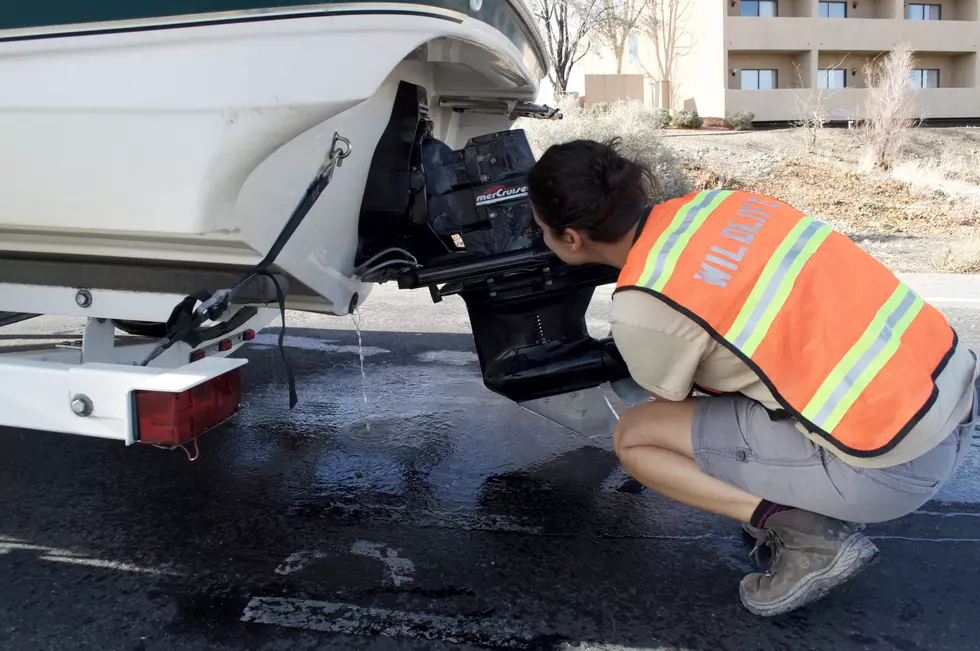
From Friday through Monday, technicians with the Utah Division of Wildlife Resources, Utah State Parks, the Arizona Game and Fish Department, the National Park Service and Utah Department of Natural Resources law enforcement officers inspected 11,864 watercraft and performed 327 decontaminations. The Lake Powell area alone accounted for 1,650 inspections and 88 decontaminations, reflecting the heightened concern surrounding Utah's only waterbody currently infested with quagga mussels.

Statewide, DNR officers documented 33 violations of Utah's aquatic invasive species laws during the holiday weekend. Most of those violations involved boaters who had not completed the required mussel-aware boater education course, failed to pay the aquatic invasive species fee for motorized boats, or neglected to remove drain plugs while transporting their watercraft.
Read More: Improving Boating Access In Utah
"We always love to see Utahns and those visiting from out of state enjoying Utah's beautiful waterbodies," Utah Department of Natural Resources Law Enforcement Aquatic Invasive Species Statewide Operations Lt. Bruce Johnson said in a press release. "We are thankful for those who take the time to be aware and prepared before hitting the water, because it takes all of us to prevent the spread of aquatic invasive species in Utah."
40 Inspection An d5 Dip Tank Locations Around The State
Utah operates more than 40 inspection stations around the state, located both at boat launch ramps and along major highways. Five dip tank decontamination stations are currently available, with two additional facilities expected to open later this year. For boaters in southern Utah, the closest dip tanks are located at Wahweap Marina on Lake Powell and at Sand Hollow State Park.
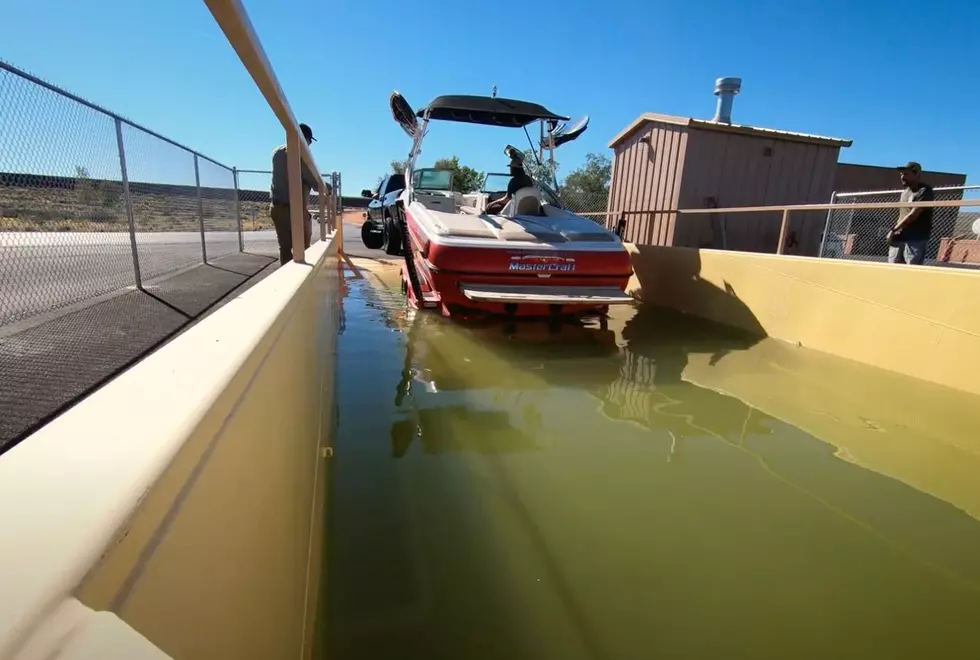
Officials stress that preventing the spread of invasive species is far easier and less expensive than trying to eliminate them once they become established. Quagga mussels can clog municipal water systems, damage boat engines, reduce fish populations by removing plankton from the water and leave beaches covered with sharp shells. Eurasian watermilfoil spreads rapidly, choking waterways, damaging irrigation systems, fouling boat propellers and crowding out native aquatic vegetation. Even a single fragment of the invasive plant transported on a boat or trailer can establish a new infestation in another lake or reservoir.

Boaters can find inspection station locations, decontamination information and boating requirements through Utah's STD of the Sea aquatic invasive species program.
10 Helpful Tips for the Best Boating Experience on the Water This Summer
Gallery Credit: JD Knight
More From KSUB 590/107.3