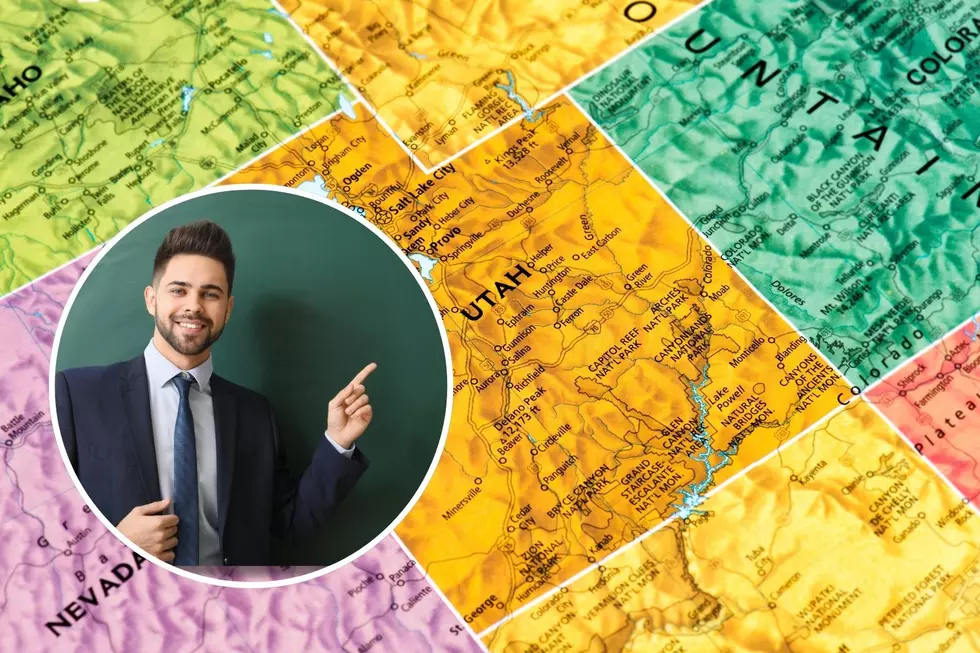

Utah’s Cities Are Booming But Not All Are Thriving
Utah continues to rank among the fastest-growing states in the nation, but a closer look at city-level data shows that growth is far from uniform. According to information compiled by World Population Review, the vast majority of Utah communities are expanding, yet a small but notable number are moving in the opposite direction.
Statewide, 126 of Utah’s 151 incorporated cities are gaining residents, with an average annual growth rate of about 1.5%. Much of that growth is concentrated along the Wasatch Front, where smaller cities are rapidly transforming into bustling suburban hubs. Communities such as Saratoga Springs, West Haven, and Eagle Mountain lead the way, each posting growth rates well above 6% annually. These areas offer relatively affordable housing and easy access to major employment centers, making them especially attractive to young families.
Steady Growth Happening In Southern Utah
Southern Utah is also experiencing steady expansion. Cities like Washington, Hurricane, and Ivins are growing at healthy rates, fueled by their proximity to outdoor recreation and an influx of retirees and remote workers. Closer to home, Cedar City is seeing moderate growth of around 3.2% annually, with nearby Enoch slightly edging that pace.

However, not every Utah community is growing. Roughly two dozen cities have experienced population declines, many of them small or rural towns. Places like Helper, Price and Roosevelt have seen modest decreases in population. These communities have historically relied on industries such as mining and energy production, sectors that have faced economic fluctuations in recent years. As job opportunities shift or diminish, some residents have relocated to larger or faster-growing areas.

Other smaller towns scattered across eastern and central Utah, such as Moab, have also reported slight declines, often due to limited housing development, fewer employment options, and younger residents moving away for education or careers. While the population losses are generally not dramatic, they highlight the challenges rural communities face in keeping pace with the state’s broader growth.
Read More: Worldwide Square Dance Celebration Coming To Cedar City
The contrast underscores a clear trend: Utah’s population boom is being driven largely by suburban expansion and lifestyle migration, while some traditional rural areas are struggling to maintain their numbers. For communities like Cedar City, the steady middle ground may offer a balance—continued growth without the growing pains seen in faster-expanding regions.

As Utah continues to evolve, these shifting population patterns provide a snapshot of where people are choosing to live—and where communities may need to adapt to remain competitive.
LOOK: States sending the most people to Utah
Gallery Credit: Stacker
More From KSUB 590/107.3