
Get Ready For Boating Season In Southern Utah’s Lakes
As temperatures climb across southern Utah, many residents are eyeing weekends at familiar destinations like Sand Hollow State Park, Quail Creek State Park, Lake Powell and Panguitch Lake. With boating season quickly approaching, state officials are reminding water recreationists that a few important steps are required before launching.
The Utah Division of Wildlife Resources and the Utah Department of Natural Resources Law Enforcement note that while recent legislative updates have been passed regarding aquatic invasive species regulations, those changes will not take effect until 2027. For now, the same rules from last year remain in place.
Course Completion And Fees Required For Boaters
Anyone launching a boat or even a nonmotorized watercraft such as a kayak or paddleboard must complete an annual mussel-aware boater course. In addition, motorized boat owners are required to pay an aquatic invasive species program vessel enrollment fee, which is separate from standard registration. The fee supports statewide prevention efforts.

Boaters should also remember a simple but critical practice when leaving any waterbody: clean, drain and dry. Drain plugs must be removed during transport, and extra care should be taken to eliminate any standing water or plant material that could spread invasive species between lakes.
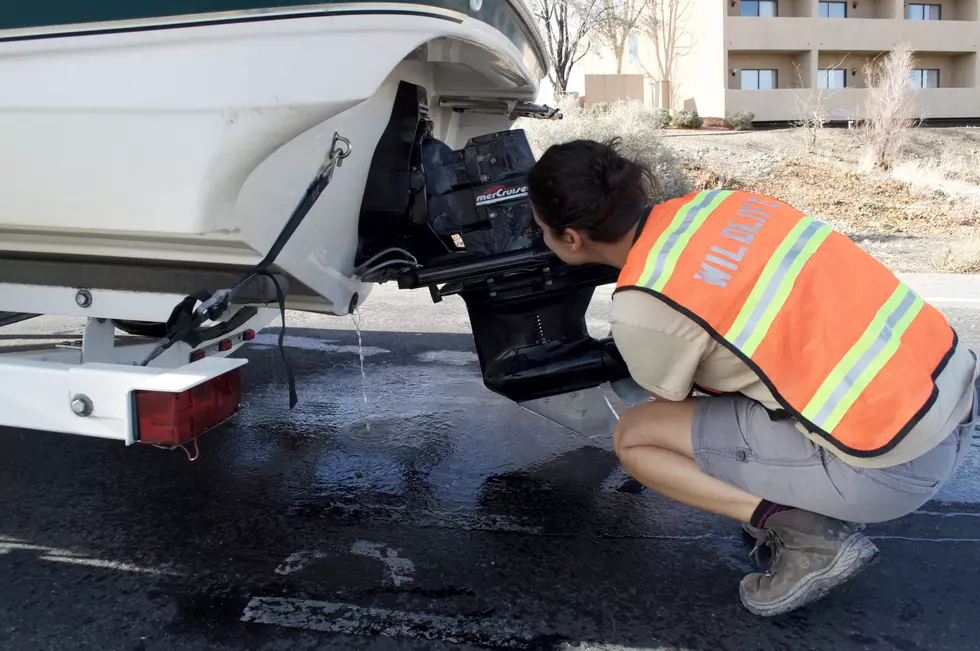
Special attention is required for those visiting Lake Powell, currently the only waterbody in Utah confirmed to contain quagga mussels. All exiting watercraft must undergo inspection, and additional decontamination or drying times are required before launching elsewhere. Summer dry times are at least seven days, but certain complex boats may require up to 30 days unless professionally decontaminated.
Dip tank decontamination stations, including one at Sand Hollow State Park, play an increasingly important role in southern Utah boating. These systems help quickly and effectively remove invasive species from vessels before they spread to other waters.

“The aquatic invasive species funds are used to help prevent quagga mussels from spreading from Lake Powell to other Utah waterbodies,” Utah Department of Natural Resources Law Enforcement Aquatic Invasive Species Lt. Bruce Johnson said in a press release. “These funds help pay for new dip tanks being installed around the state that more efficiently decontaminate boats and also pay for staff to help inspect and decontaminate boats in areas without dip tanks.”
Read More: Record Number Of Utah Boat Inspections In 2025
The stakes are high. Quagga mussels can clog pipes, damage boat engines and disrupt entire ecosystems, while Eurasian watermilfoil—already found in lakes such as Panguitch Lake—can overtake shorelines and choke out native species.

“We are so appreciative of all the boaters who are committed to doing their part to prevent the spread of quagga mussels and other aquatic invasive species, like Eurasian watermilfoil, in Utah,” Johnson said.

With another busy season ahead, southern Utah boaters can help protect their favorite waters by following the rules and planning ahead before heading out.
10 Helpful Tips for the Best Boating Experience on the Water This Summer
Gallery Credit: JD Knight
More From KSUB 590/107.3